Our Approach
It’s not just what art your child is doing.
It’s what art is doing for your child.
You’ll see drawings, paintings, sculptures—and probably a little paint on their sleeves.
What you might not see right away is the decision behind a color, the experiment that sparked an idea, or the three things they tried before their sculpture finally stood up.
That’s what I’m paying attention to, too.
At Creative Roots, we make room for curiosity, teach skills kids can use, and help them work through the moments when an idea gets tricky. Along the way, they practice looking closely, making choices, asking for help, and finding their own ways to express something.
A little guidance. A lot to discover.
A blank page can feel exciting. It can also feel like, “Okay…but what am I supposed to do?”
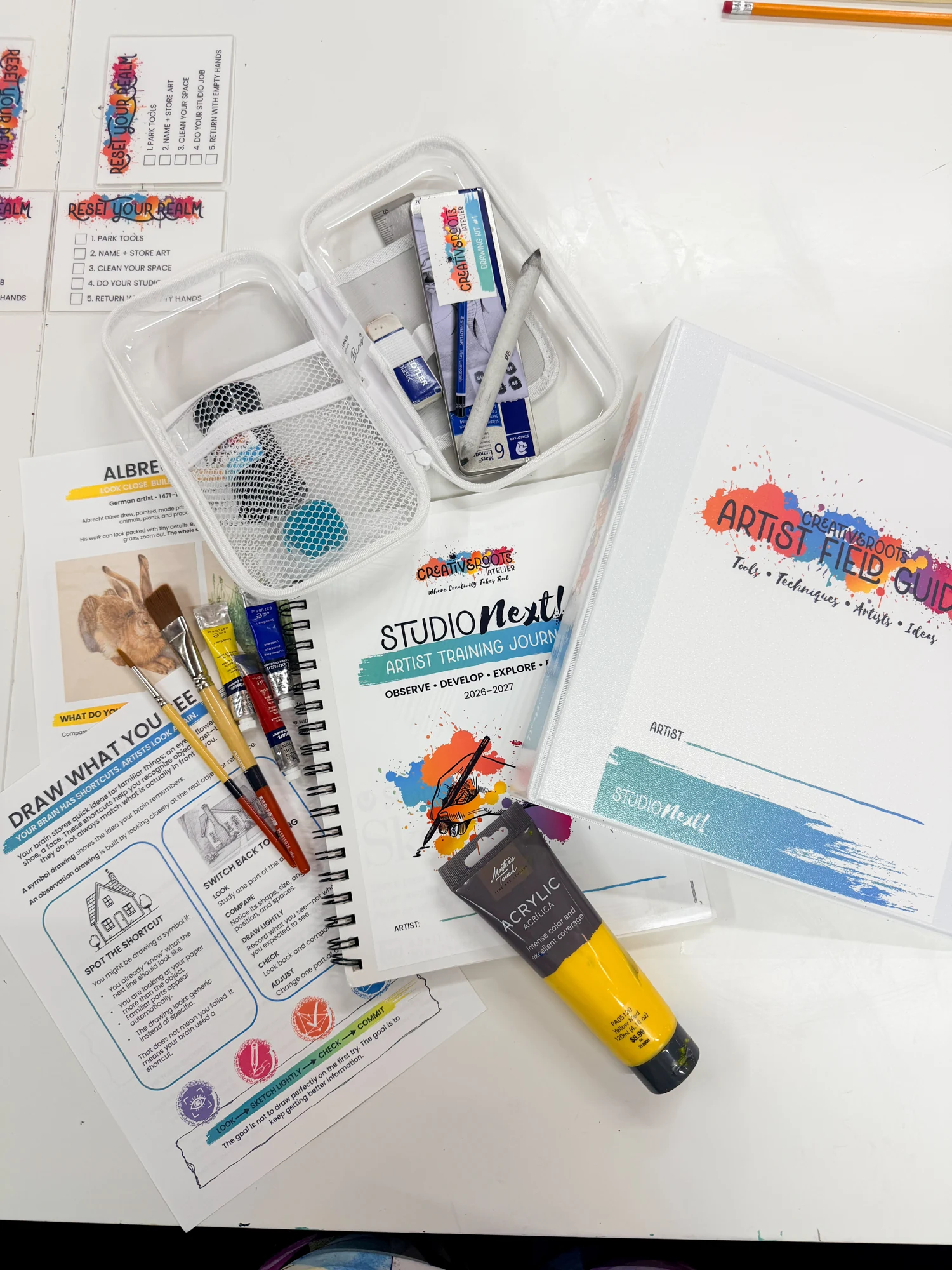
I give the kids somewhere to begin: a question, a material to investigate, an artwork to look at, or a creative challenge.
We learn a technique, explore some possibilities, and then make choices. Which colors create the feeling you want? How could these pieces connect? What happens if you change the size?
There’s a clear purpose behind the project and room for their ideas within it. As their skills develop, so does their ability to make more independent decisions.
This is how we get there.
Our studio rhythm gives us a familiar way to move from curiosity into creating.
Wonder
“What happens if…?”
A story, an object, an unusual material, or a question gets us thinking. We make predictions and imagine possibilities.
Notice
“Wait, look at that!”
We slow down and look closer. At shapes, details, materials, and the choices other artists make. There’s often more to discover than we saw at first.
Learn
“Let me show you something.”
I introduce a skill, tool, or technique in manageable steps. We learn art vocabulary while putting it to use.
Explore
“What could you do with it?”
This is where the kids test ideas, practice, make decisions, and get into their work. I check in, demonstrate again when needed, and help them find a next step.
Reflect
“What did you figure out?”
We look back at discoveries, surprises, and changes. Sometimes we share something. Sometimes we revise. Sometimes we leave with a question to explore next time.
Real skills for their own ideas.

Knowing how to mix a color, build a sturdy connection, show depth, or plan a composition gives an artist more possibilities.
We build those skills over time, returning to ideas in new projects and materials. Kids get chances to practice, make connections, and use what they’ve learned with increasing intention.
We also look at other artists’ work to ask: How did they do that? What choices did they make? Is there an approach we could try?
The goal is for your kids to have tools they can reach for when they have something they want to make.
A place to try. A place to look back. A place to keep what matters.
Ideas need somewhere to land. Throughout the year, our sketchbooks, binders, and portfolios help the kids practice, find something useful, and see how their work is growing.
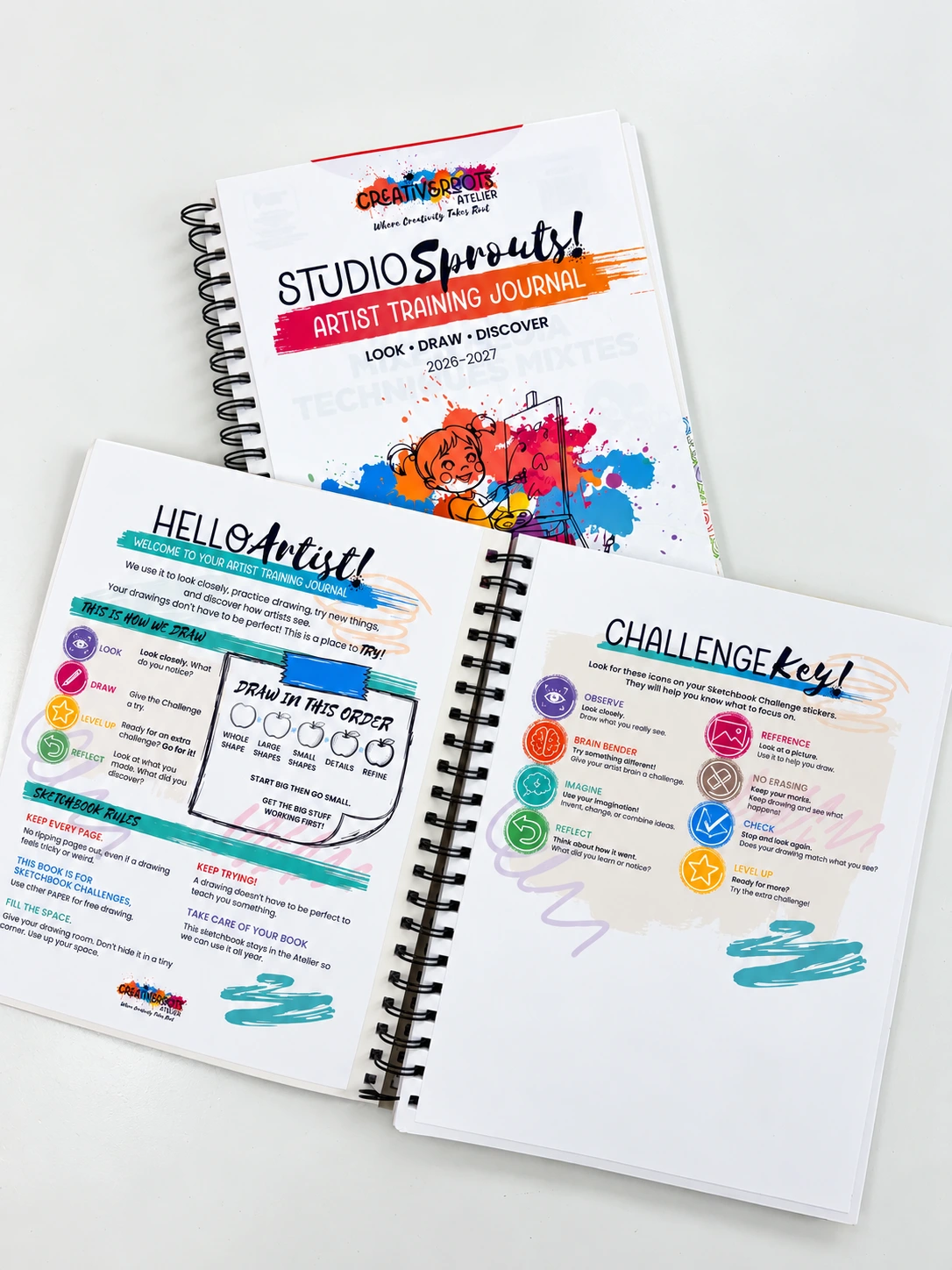
Sketchbooks:
“What happens if I try this?”
Our sketchbooks—our Artist Training Journals—hold drawing challenges, observations, material tests, and ideas in progress. There’s room for a first attempt, another version, and something that might become a bigger project later.
We return to those pages to notice discoveries and see what’s changing.
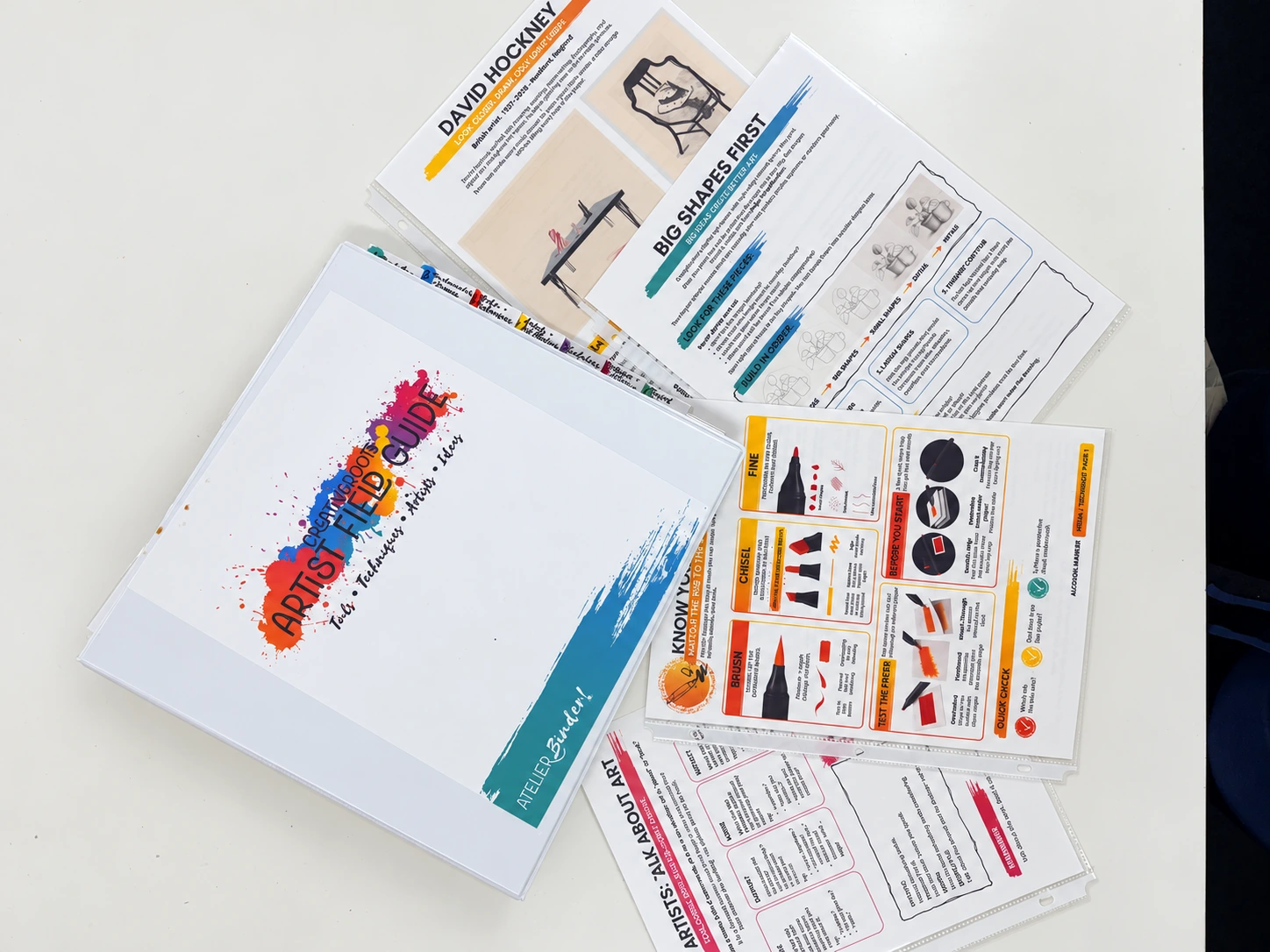
Binders:
“How did we do that again?”
The student binder is an artist’s reference they help build over time. It holds technique guides, art vocabulary, artist studies, and other tools they can return to while making.
When a familiar question comes up, they have somewhere to look—and another opportunity to practice finding what they need.
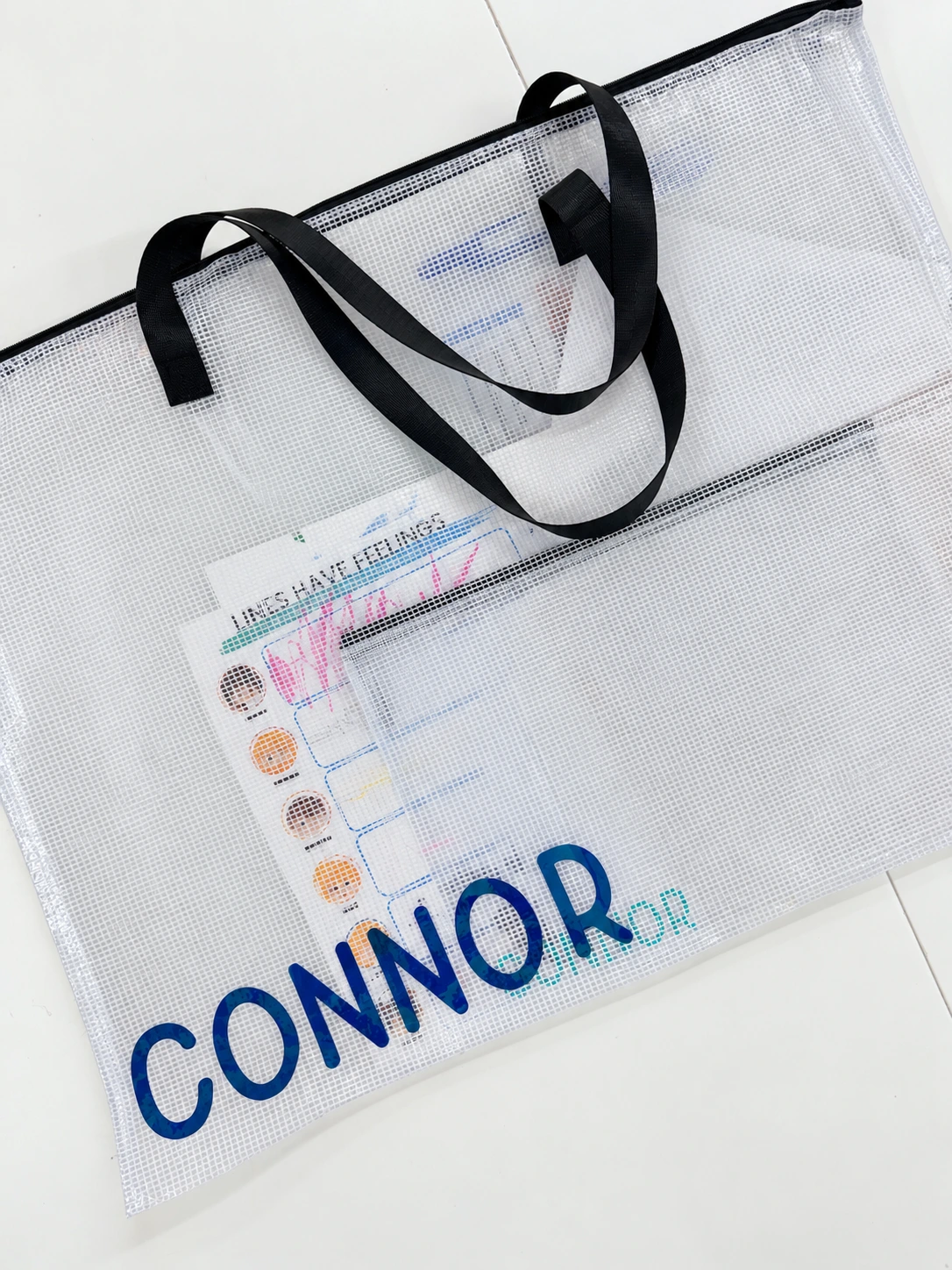
Portfolios:
“This is worth keeping.”
Portfolios hold artwork and meaningful pieces of the process: a study that led somewhere, a useful experiment, a revision, or a finished piece.
We look through them to recognize growth, revisit ideas, and choose work to share at our year-end art show.
Together, they help your kids see more than what they made. They help them remember how they got there.
The amount of writing, reference material, and independent reflection grows with each program, keeping these tools useful for the artist using them.
And when “I can’t”
shows up…

It might make my ears hurt.
If your child says “I can’t” in the studio, they may see me clutch my ears in mock horror.
We laugh—and then we work through the feeling.
Is it hard to get started? Did something turn out differently than they imagined? Do they need another demonstration, a smaller step, or a little help?
The frustration is welcome. We practice finding words that help us understand it:
That’s how we practice a growth mindset: with humor, support, and opportunities to experience how skills develop. Trying again might mean changing the approach, asking a question, or practicing one small part.
I help the kids notice those actions, too: “You looked again and spotted the shape,” or “That new connection helped your sculpture stand.”
They get to recognize what helped them move forward.
Look what they’re figuring out.

Growth can show up in a finished piece. It can also show up in a question, a material test, or a decision to make a change.
We save sketches, experiments, and artwork so we can return to them and notice what’s developing. We practice talking about choices and offering feedback that someone can use.
Our shared reminders run through it all:
Respect People. Respect the Studio. Respect Your Growth.
We listen to each other, care for our tools, help reset our space, and practice describing a problem without putting ourselves—or someone else—down.
Some of this practice can come along outside the studio.
When a sculpture won’t stand up, we ask, “What could I change?”
When a project feels overwhelming, we find one place to start.
When someone sees something differently, we practice listening and considering another point of view.
Those are approaches kids can draw on in a school project, a shared activity, or something new they want to learn.
Art gives us a place to practice making decisions, adjusting plans, asking for support, and recognizing progress. Each child’s experience will look different, but we give these habits time and attention.
My hope is that the next time your child thinks, “I don’t know how to do this,” another thought is close behind:
“What could I try?”
The approach grows with your artist.
Studio Sprouts · Ages 5–9
Stories, sensory exploration, Art Lab experiments, and guided projects invite kids to wonder, try, and discover. We introduce skills in small steps and make plenty of room for exploring.
Studio Buds · Ages 10–13
Creative challenges bring observation, technique, and personal choices together. Artists spend more time developing work, solving visual problems, and using feedback.
Studio Next · Ages 14–18
Artists take more responsibility for their ideas and direction. We deepen technical skills, explore intentions, and practice making thoughtful decisions about what to develop, revise, and share.
Find Your ClassThere’s a story behind the artwork.
Our year-end art show gives artists a chance to choose work, prepare it for display, and share some of that story.
Come look at what they made. Then ask what they tried, what surprised them, or which detail they want you to notice.
There’s a good chance they’ll help you see something you would have missed.
Explore In the StudioReal moments from the studio
Ideas in the making.
See the process in action: close looking, a useful strategy and room to try it for yourself.
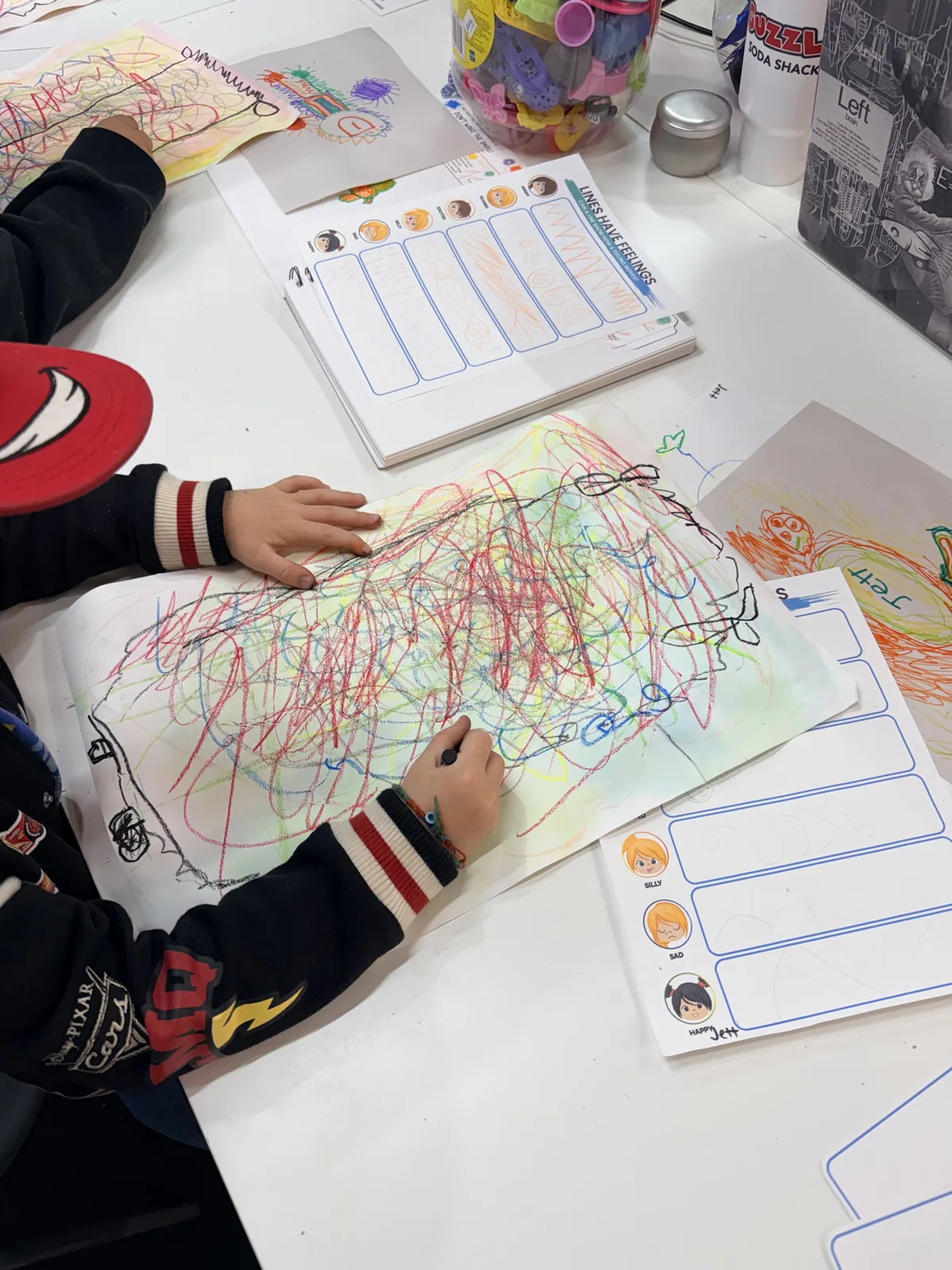
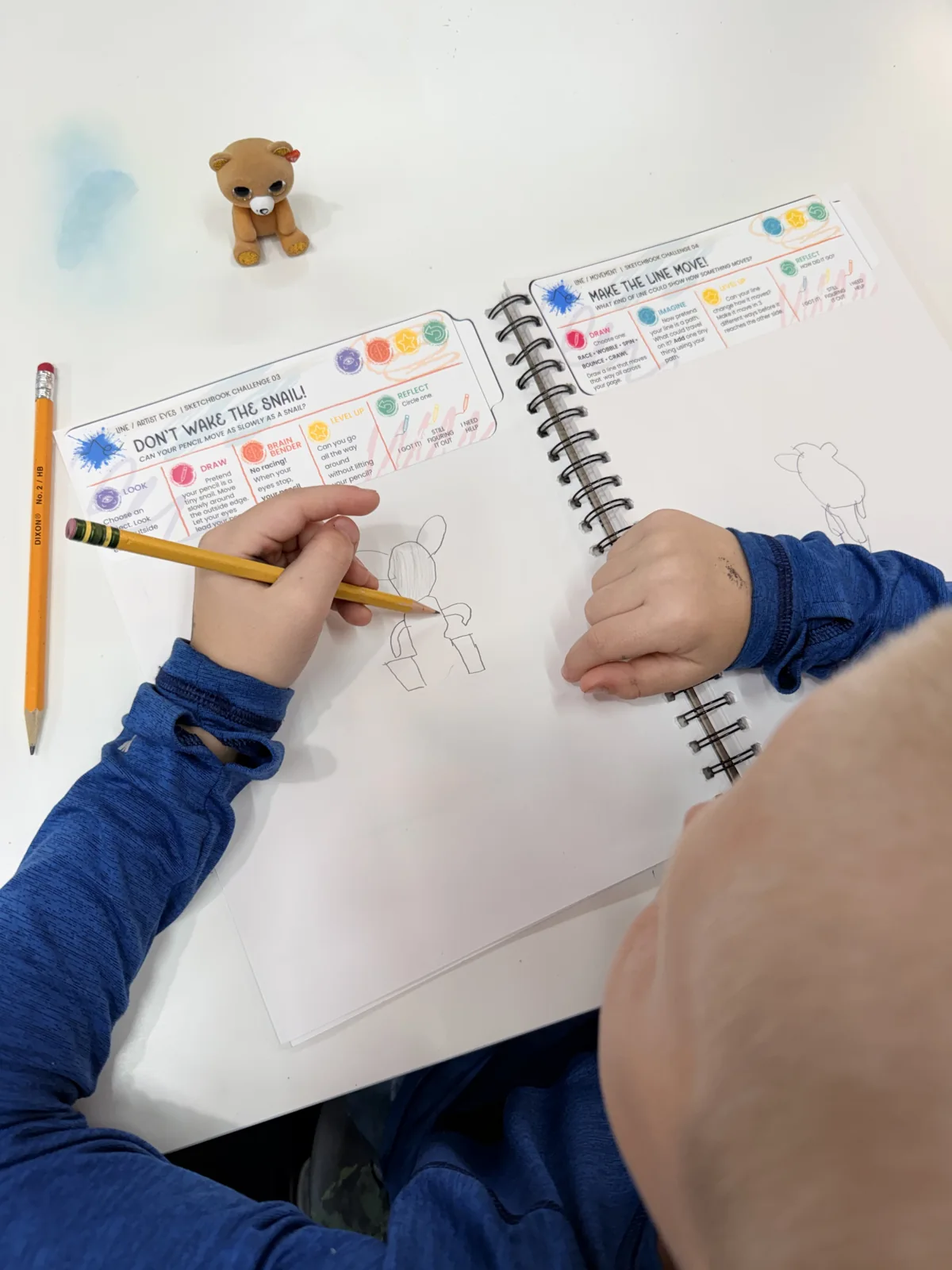
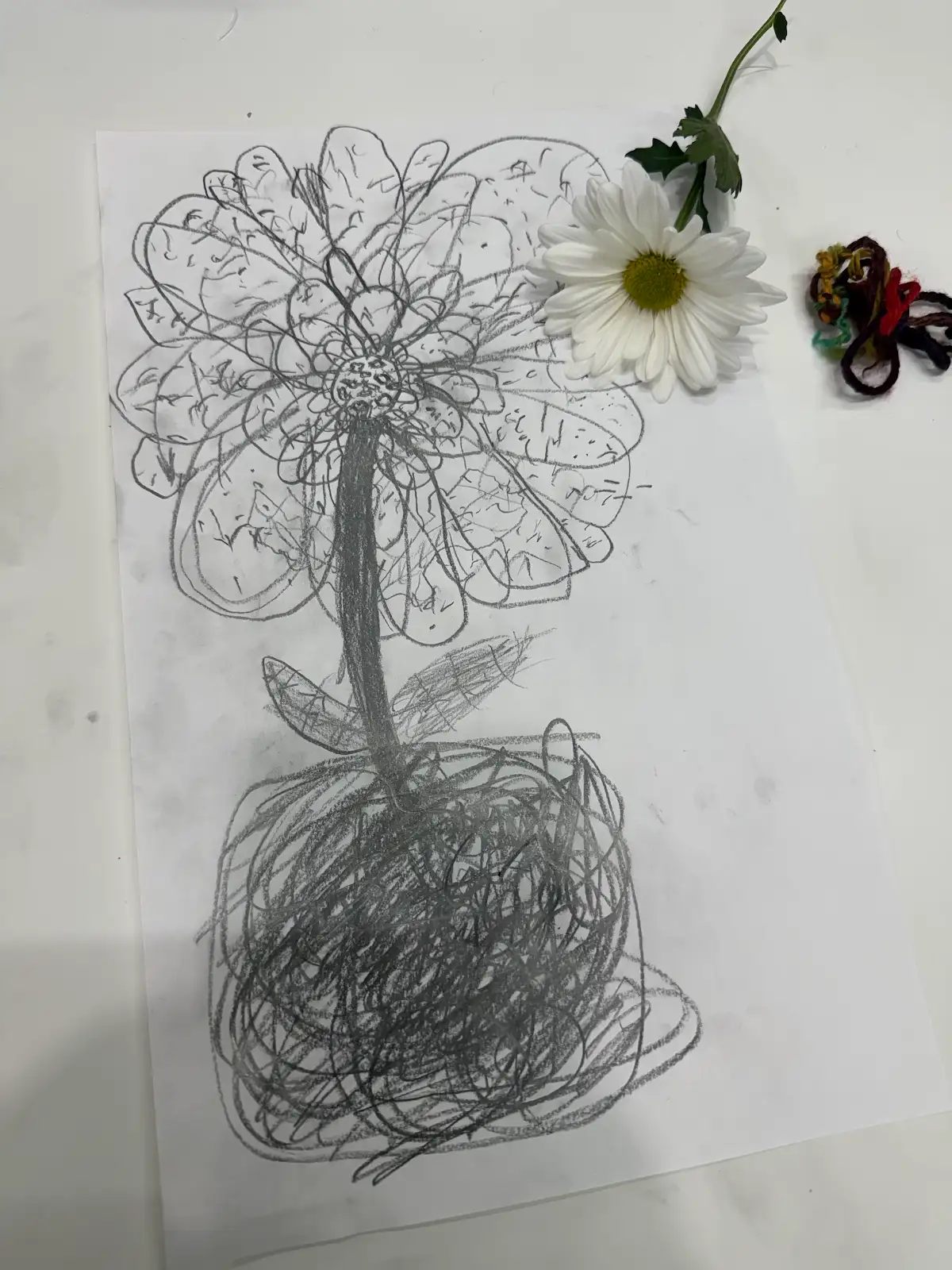
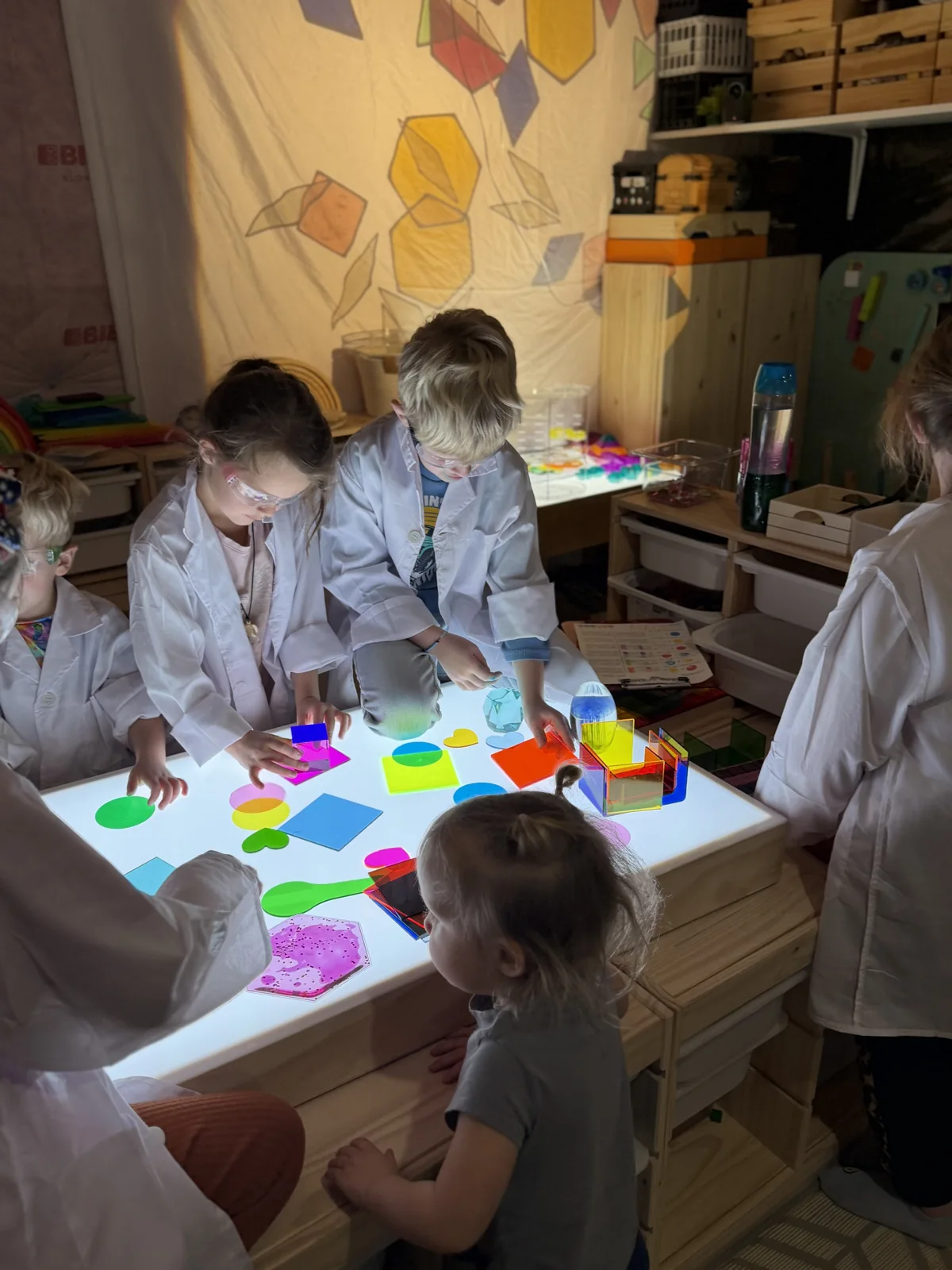
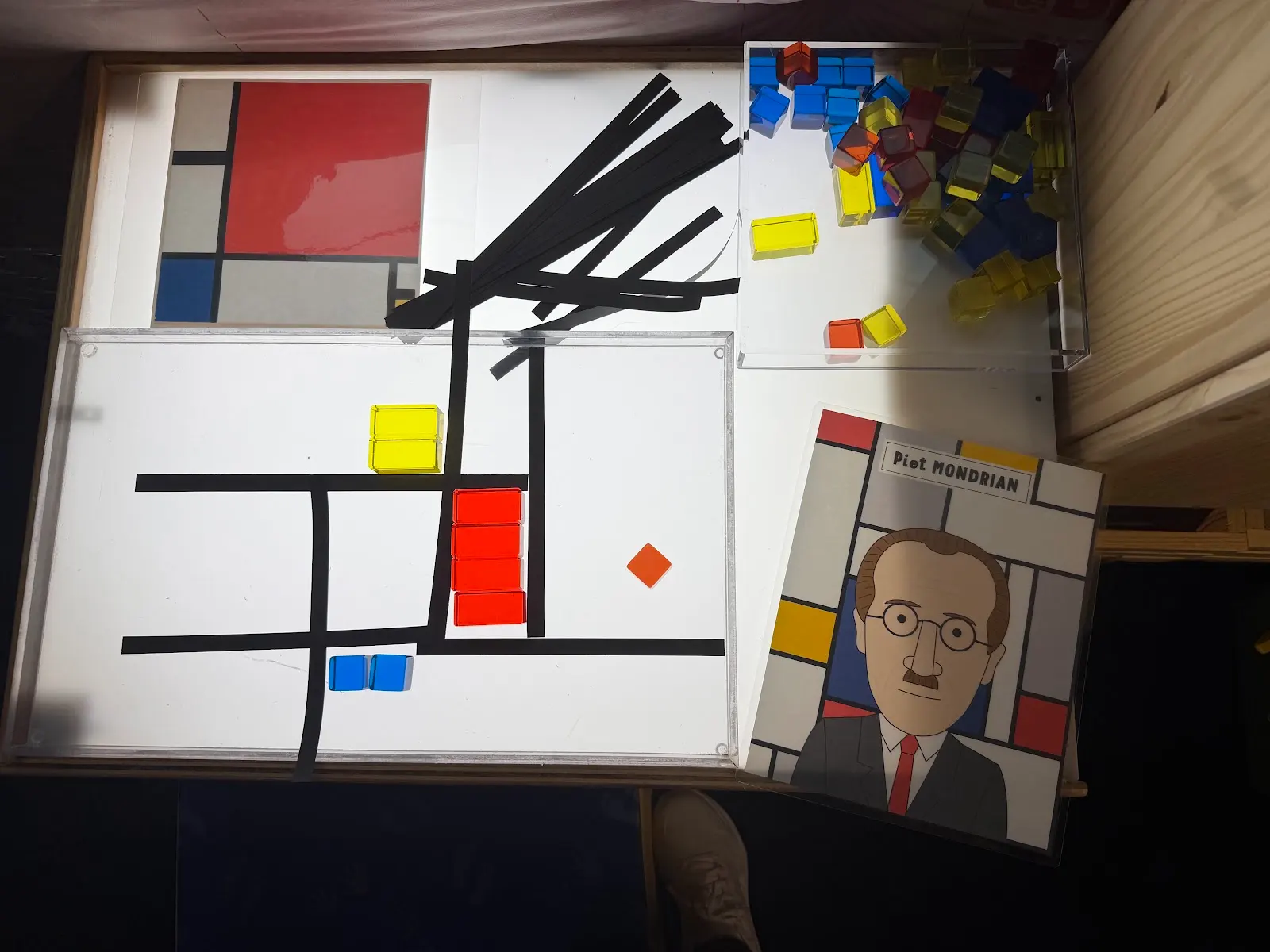
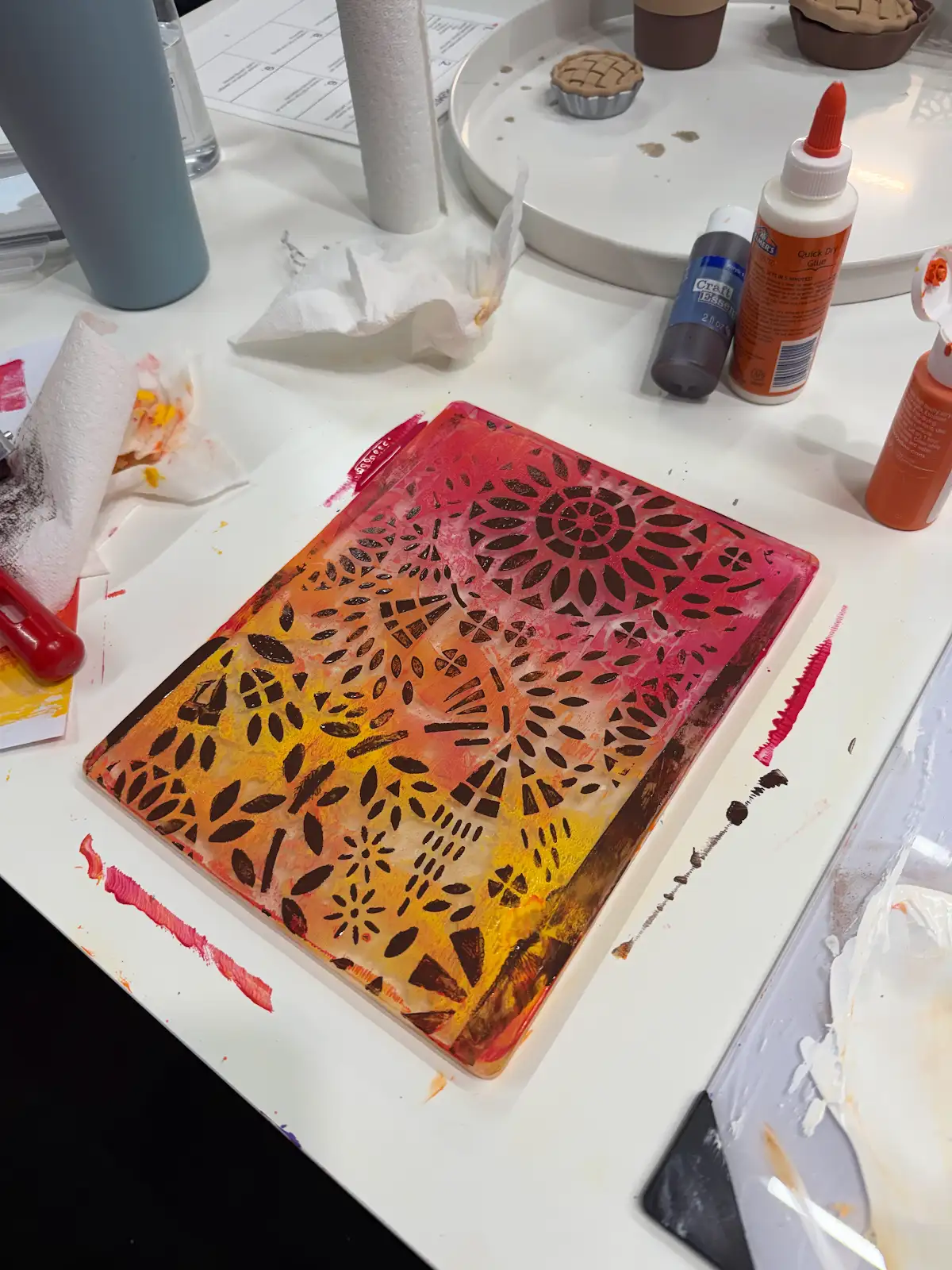
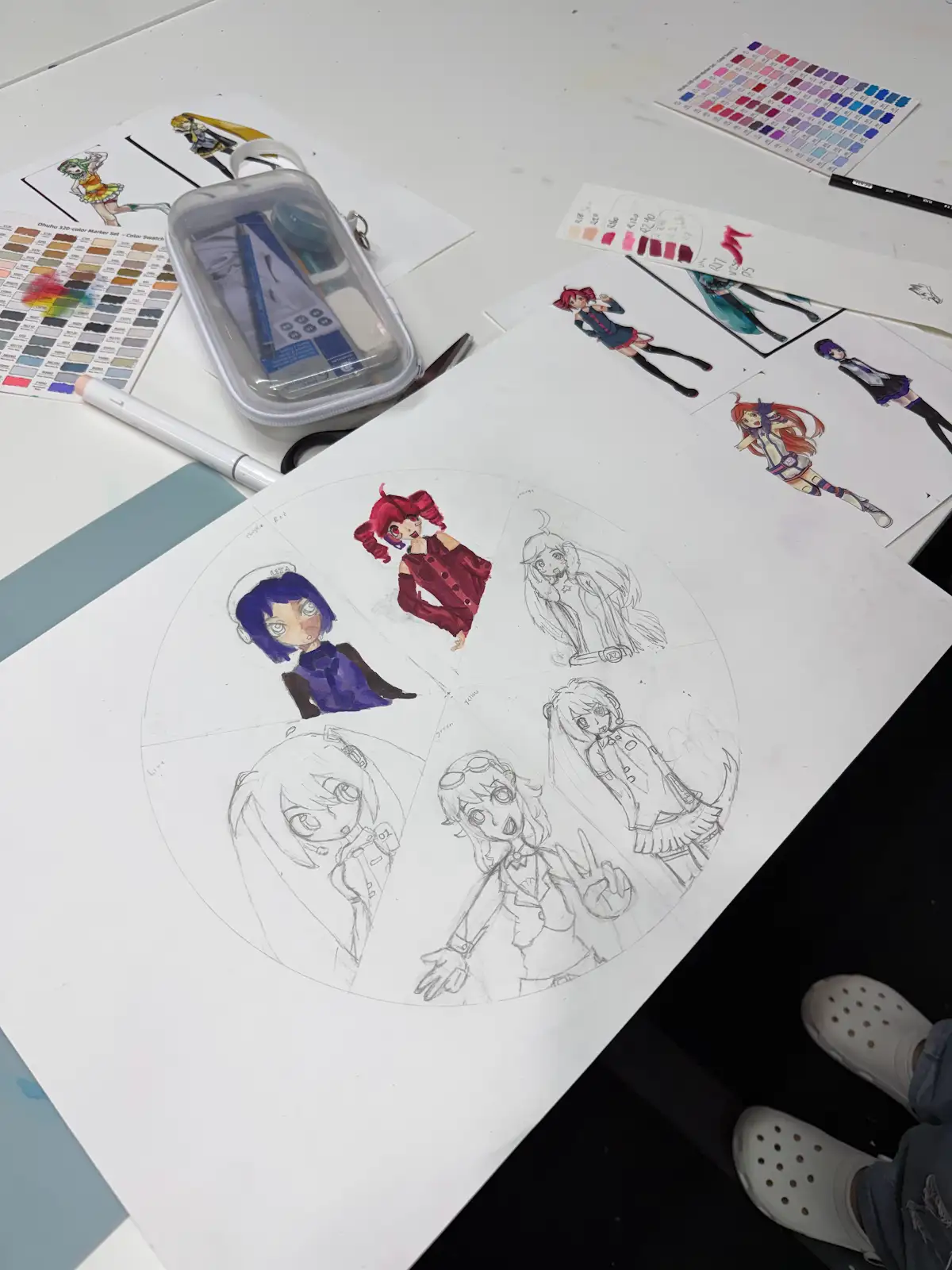
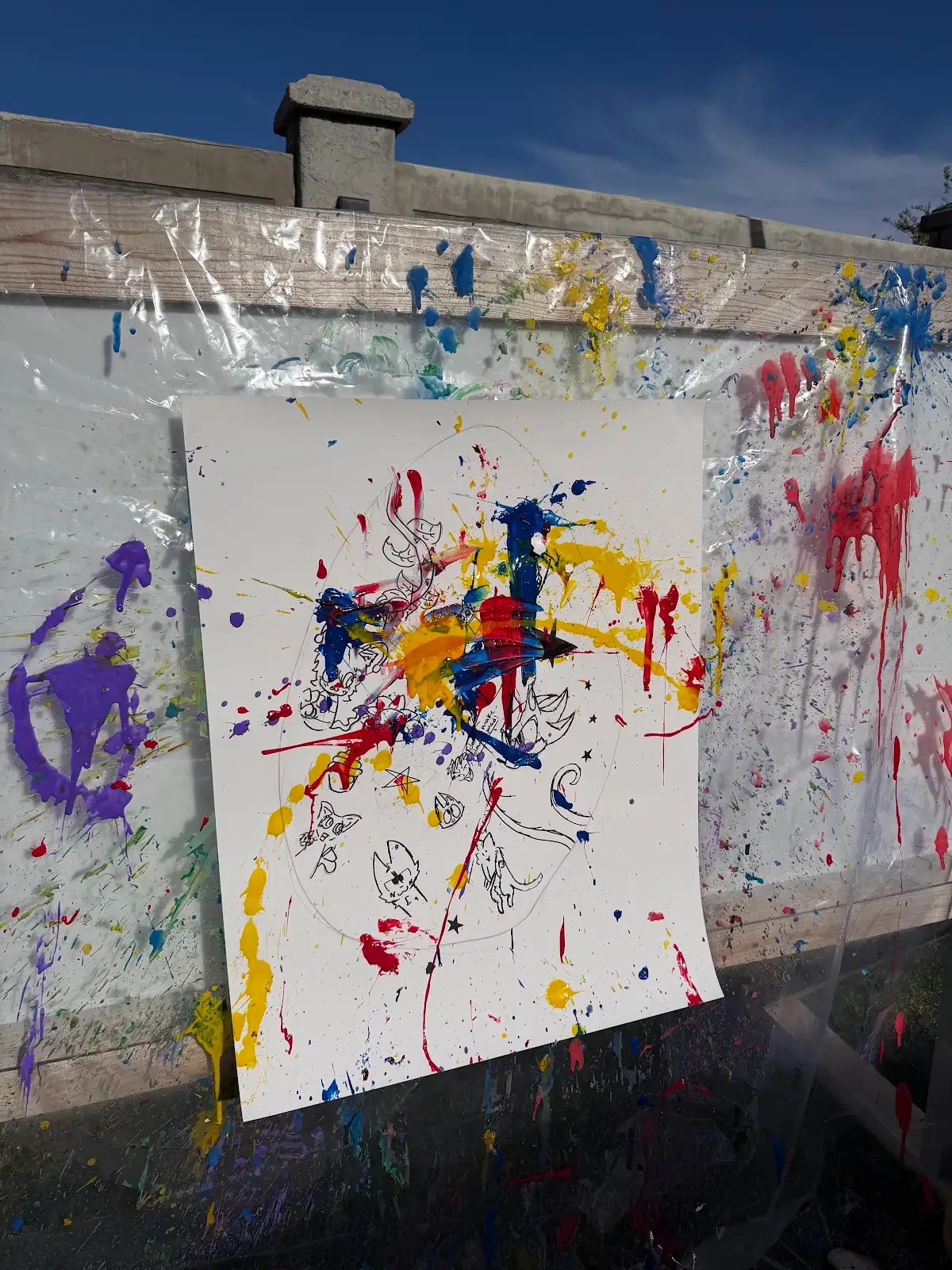
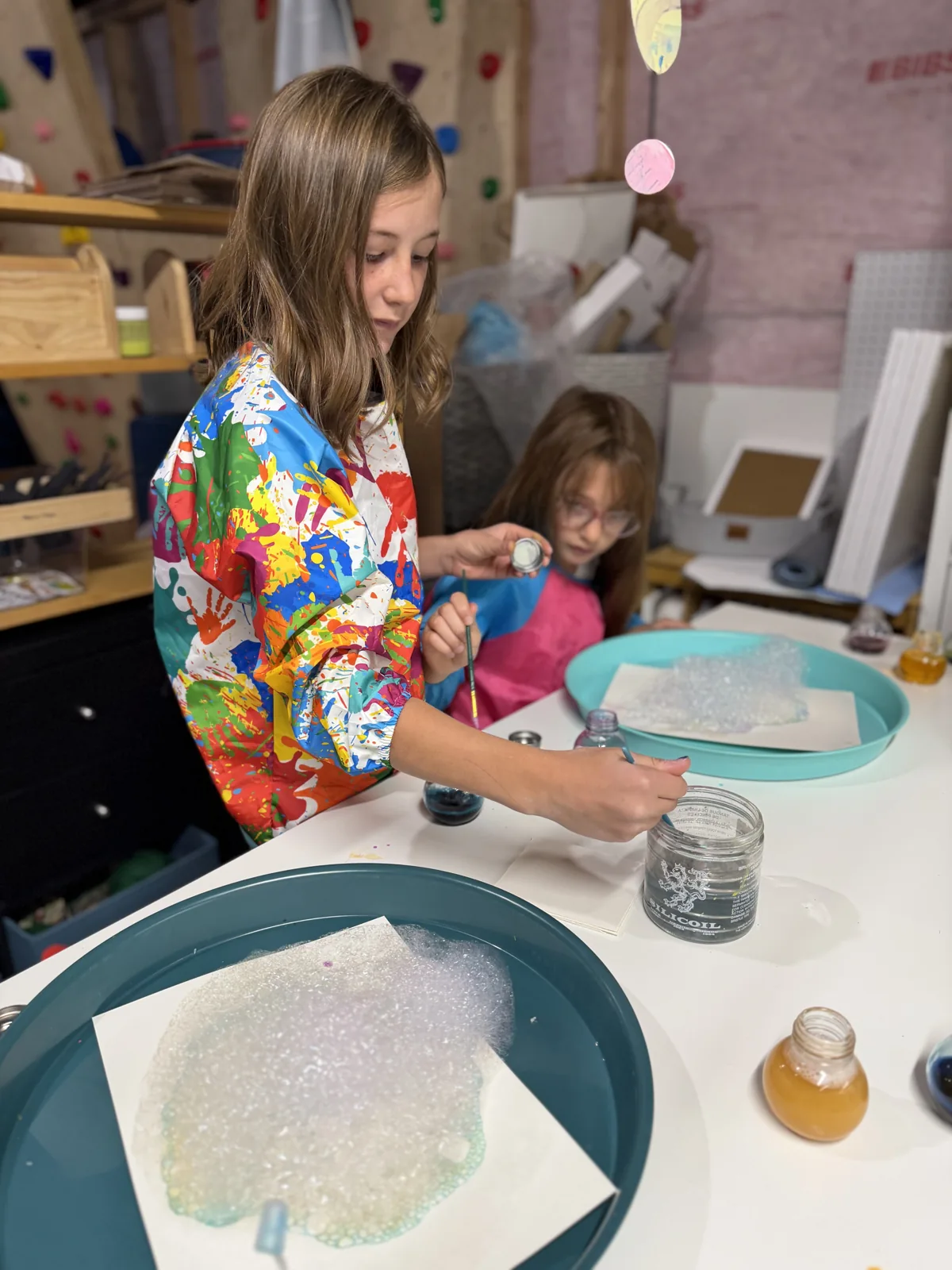
Swipe or use the arrows to explore. Tap the featured photo to look closer.
Bring your curiosity. We’ll begin there.
Whether your child dives straight into making or needs a little help getting started, I’d love to hear about them.
Let’s find a place for their ideas to grow.